
Beyond the hype — the concrete agentic AI workloads Malaysian banks, insurers and telcos are already running in production. Architecture, ROI and the BNM / PDPA guardrails each one requires.
Every CEO we meet in Malaysia wants to "do agentic AI." Most are still trying to square the marketing with a business case. This post is the concrete version: ten agentic AI workloads Malaysian enterprises are already running in production — the architecture, the ROI, and the compliance guardrails each one needs.
Symprio has designed, built and is operating agents for customers across banking, insurance, fintech, telco and shared services. The numbers here are grounded in that book.
What we mean by "agentic AI"
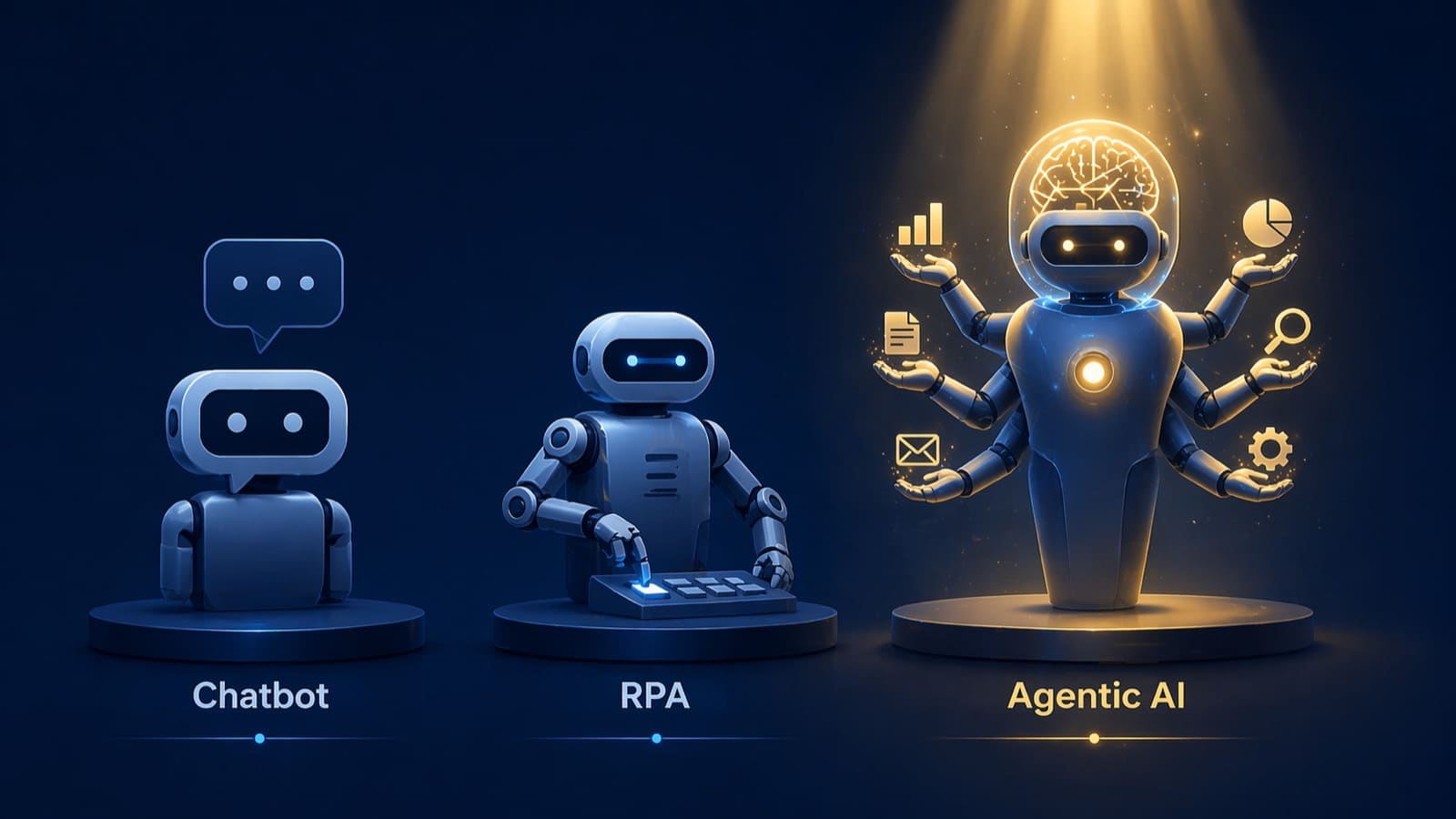
For this post, an agentic AI workload is one where an LLM-driven system reasons about a goal, chooses tools, executes multi-step actions, and recovers from exceptions — with human-in-the-loop gates where money, customer impact or regulatory risk is involved. Chatbots that only answer FAQs are not agentic. RPA bots that run fixed scripts are not agentic either. What sits between them — agents — is what this post covers.
1. Banking — autonomous credit-underwriting agent
Applicant submits a loan application; the agent pulls CCRIS and CTOS, verifies income from uploaded bank statements, cross-checks against internal BNM-aligned risk policies, drafts the credit memo, and routes to a banker for sign-off. 10× faster than manual underwriting with unchanged approval quality.
Governance: human-in-the-loop at memo draft; full audit trail of every tool call; no autonomous fund movement.
2. Insurance — claims adjudication agent
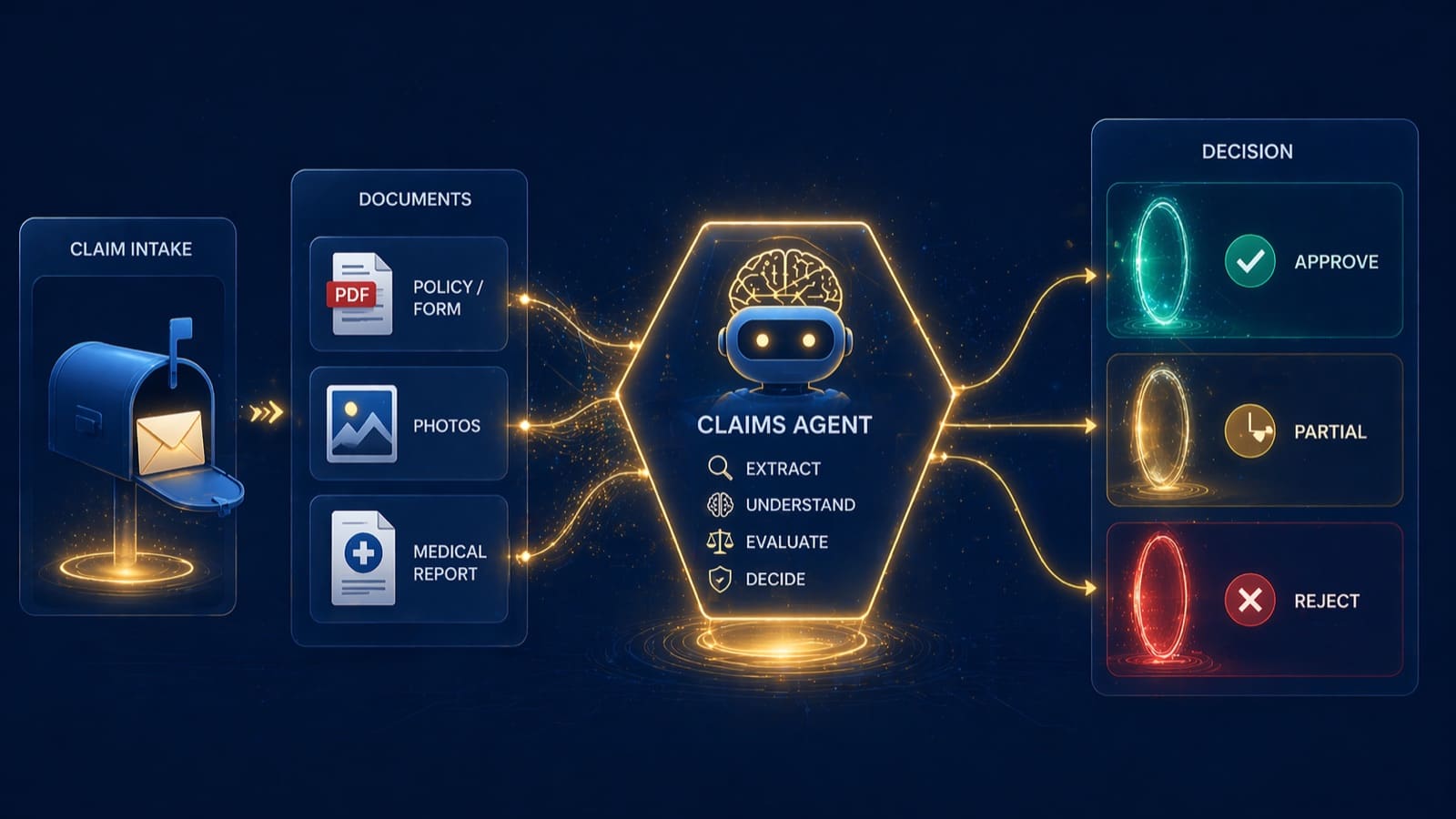
Agent ingests a claim (photos, medical reports, repair quotes, the customer's email narrative), reasons against the policy wording and Malaysian claim-handling guidelines, and recommends approve / partial / reject with a full reasoning trail an auditor can follow.
3. Fintech — fraud triage and response
Transaction flagged by the rules engine; agent investigates across customer history, device, location, merchant pattern and known fraud clusters; executes safe automated actions (step-up auth, temporary hold) and escalates the rest with a pre-written case summary. Analyst productivity up 3–5×.
4. Telco — network incident response agent
Agent correlates alerts across NOC tools, pulls the relevant runbook, opens a ServiceNow ticket with the recommended fix, and executes safe automated remediations. MTTR on repeat incidents drops 40–60%.
5. Manufacturing — procurement and supplier-risk agent
Agent monitors supplier news, SST / import duty changes, delivery exception patterns, and drafts mitigation plans in English, Bahasa Malaysia and Chinese for the procurement team — including follow-up emails to suppliers with deadline tracking.
6. Shared services — finance close agent
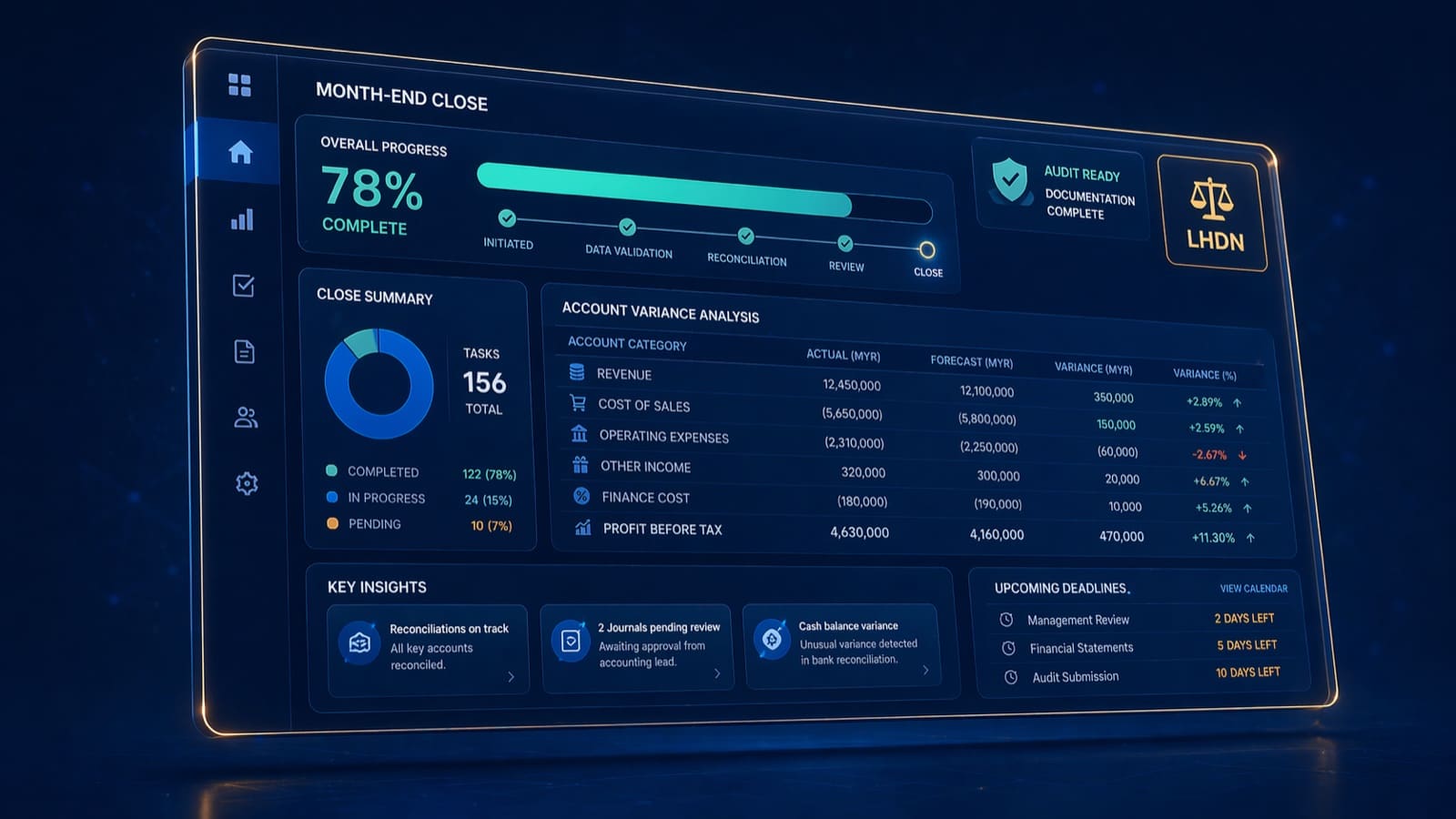
Agent runs month-end close checks across Oracle or SAP, investigates variances against prior periods, drafts journal entries for review, and files regulatory and LHDN returns once approved. Typically shaves 2–3 days off the close cycle.
7. Retail / e-commerce — returns and logistics agent
Agent handles returns end-to-end: reads the customer's request, checks policy and SKU-level rules, issues refund or replacement, arranges collection with the logistics partner, and closes the case. Handles 60–75% of returns fully autonomously.
8. Healthcare — patient intake and triage
Agent extracts clinical history from referral letters, books the right specialist, prepares the pre-consult questionnaire and flags urgent cases for escalation. Malaysian private hospitals are leading adoption here.
9. HR — talent acquisition agent
Agent parses incoming resumes, matches against open roles, drafts initial screening emails in English or Bahasa Malaysia, schedules interviews with hiring managers and keeps the ATS updated. Typically handles the first 3 rounds of a funnel autonomously.
10. Legal / compliance — contract review agent
Agent reviews third-party contracts against the customer's playbook (standard indemnity, data handling, BNM subcontracting clauses where relevant) and produces a redlined draft with rationale. Lawyer-in-the-loop for the final call.
The common architecture underneath all ten
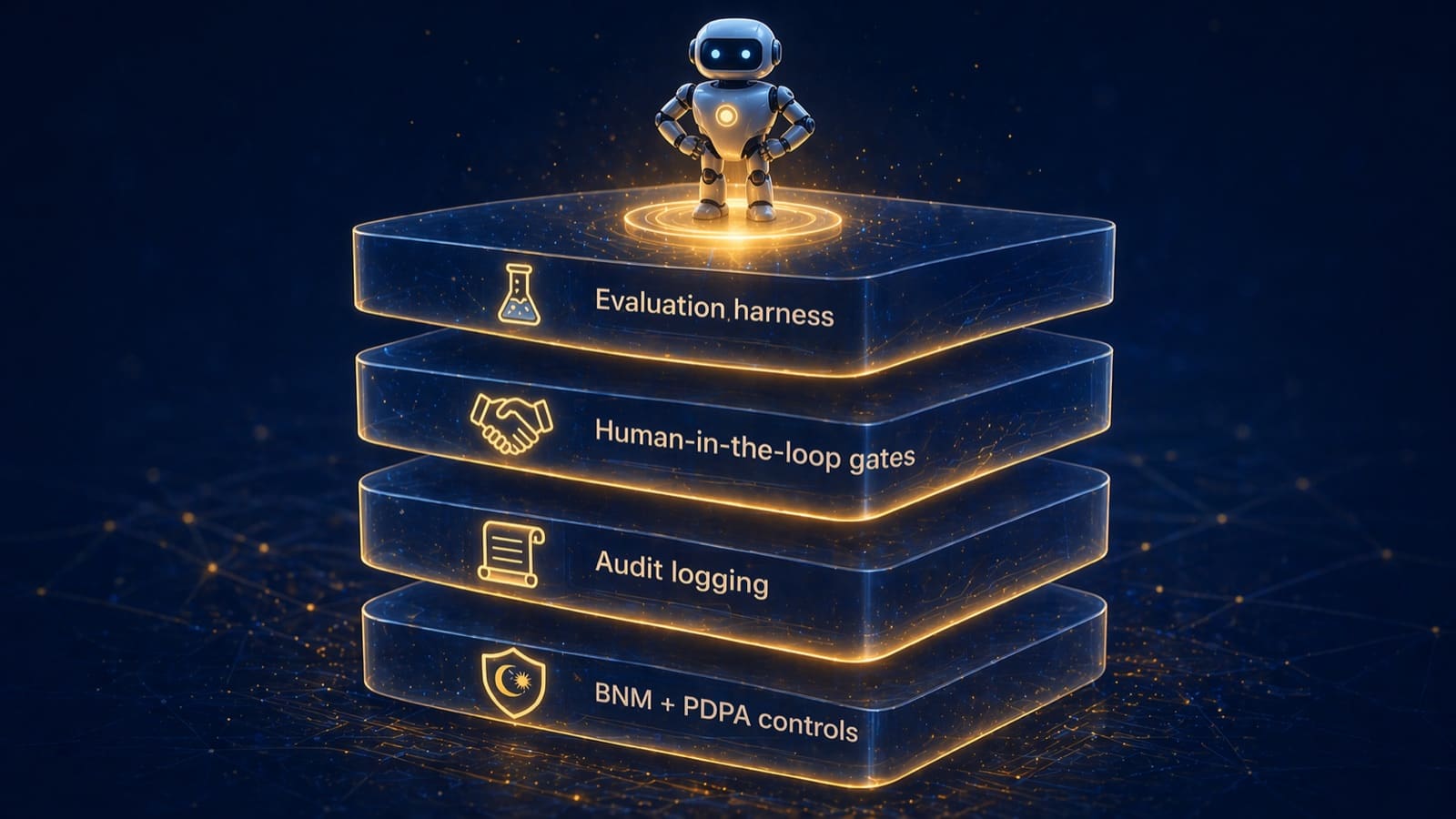
Every production agent we deploy in Malaysia follows the same underlying pattern:
- An LLM layer for reasoning — Claude, Azure OpenAI, Gemini or an on-prem Llama / Mistral depending on data residency and cost.
- A tool registry — the set of discrete actions the agent is allowed to take (read this DB, call this API, send this email).
- An evaluation harness — a ground-truth test set that runs on every prompt or model change so accuracy, latency and cost are measurable.
- Human-in-the-loop gates — mandatory approvals for anything touching money, customer communication or regulatory submission.
- Full audit logging — every tool call, every input and every output persisted so BNM, LIAM or internal audit can reconstruct a decision months later.
Where to start if you are new to agentic AI in Malaysia
Pick one use case where the current process is clearly understood, the ROI is defensible, and the regulatory risk is bounded. Back-office operations (claims intake, fraud triage, finance close) are usually the right first choice — not customer-facing conversational agents, which are harder to govern for the first project.
Plan for 6–10 weeks to a production pilot. The cost shape of an agent project looks more like a software-engineering engagement than a classical RPA build — most of the investment goes into integration work, the evaluation harness and governance tooling, not into the AI model itself. Scope that reality into the business case from day one.
Want to talk through a specific use case for your Malaysian business? Book a 30-minute session with Symprio — we are building agents for Malaysian enterprises across banking, insurance, fintech and shared services, and we will tell you honestly whether agentic AI is the right tool for your problem or whether simpler RPA solves it better.